

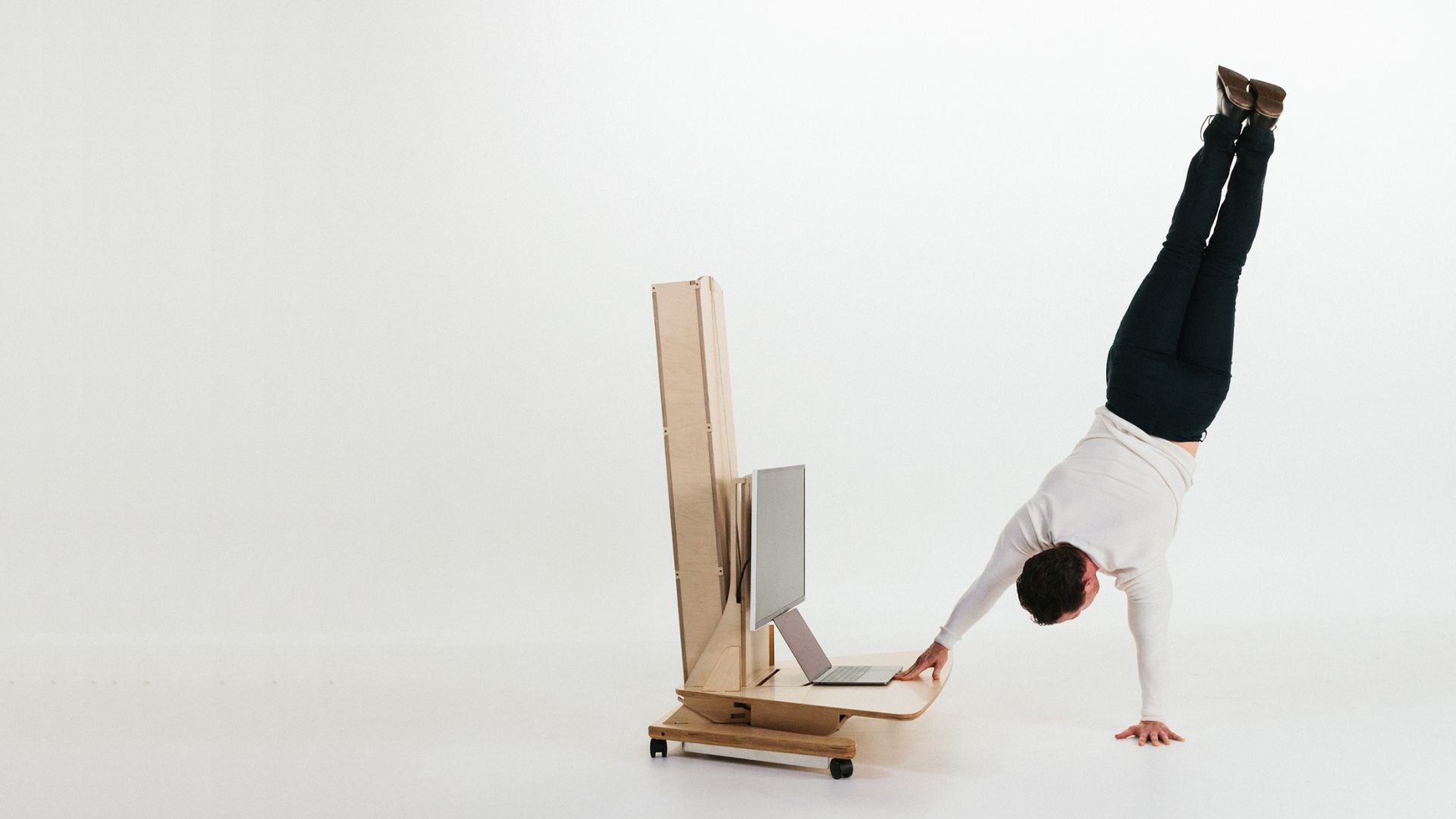
Back pain is the #1 cause of disability globally.
At Limber we’re on a mission to halve global disability from back pain by 2050 by creating a way of living where movement happens effortlessly.
A new way of living that we call the Limber Life.
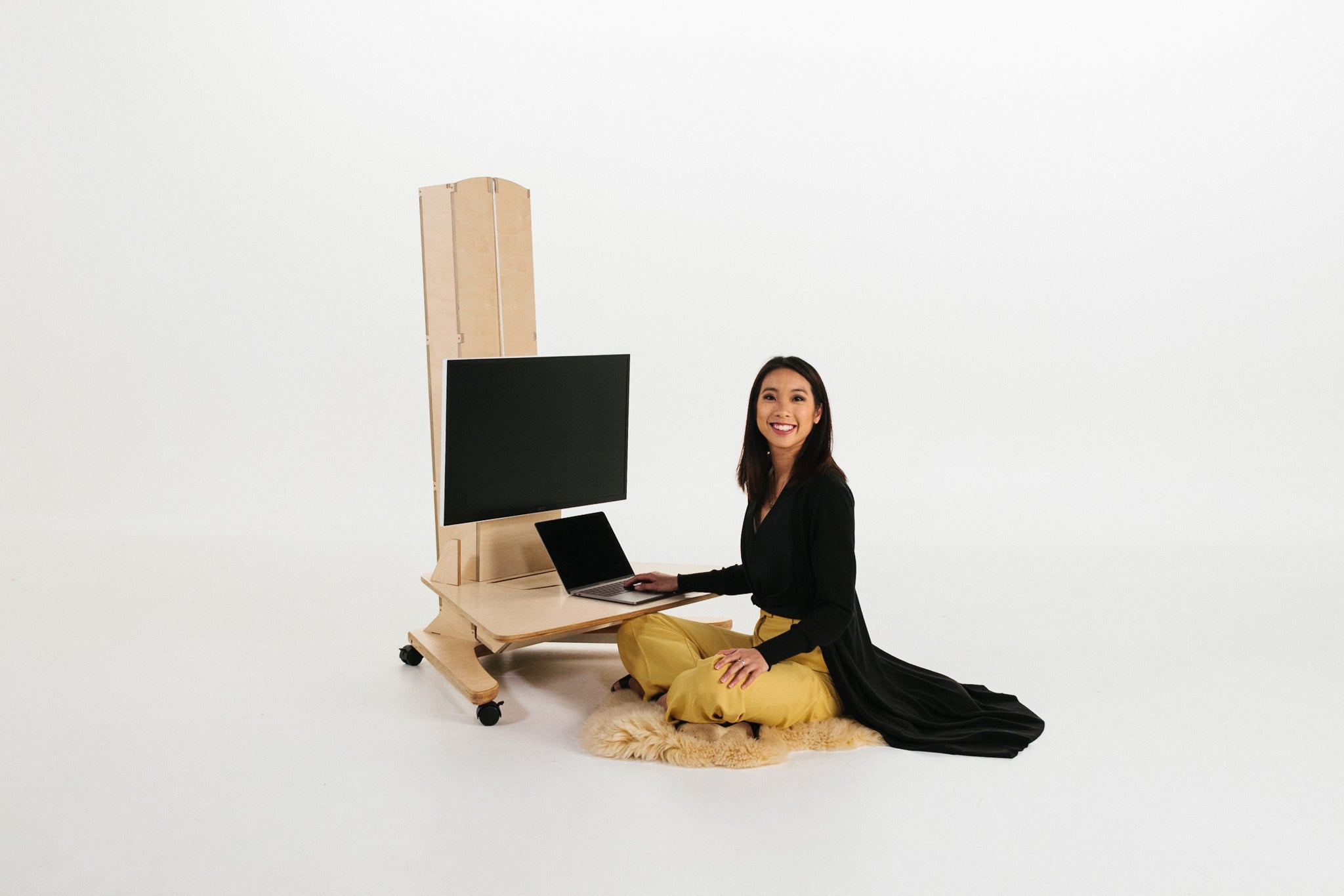
We started by creating the world’s first floor sitting to standing desk - what UC Berkeley professors have researched and are now calling “The World’s Healthiest Desks”.
Limber desks are designed by a physiotherapist to support natural movement throughout the workday, not just sitting or standing.
Unlike traditional standing desks that lock you into two positions, Limber is an ergonomic desk system that allows you to move freely between standing, floor sitting, kneeling, and other active resting postures while you work.
This movement-first approach helps reduce stiffness and discomfort at work while supporting energy and focus.
Study title
Effects of an Active and a Passive Work Condition on Musculoskeletal Discomfort and Computer Typing Performance for Computer-Based Work
Published in
Proceedings of the Human Factors and Ergonomics Society Annual Conference, 2025
What was studied
A pilot study comparing an active work condition combining floor-seated and standing work with a passive chair-seated condition during computer-based tasks.
What was measured
Changes in self-reported musculoskeletal discomfort, typing speed, and typing accuracy.
Key findings
Participants experienced a significantly smaller increase in musculoskeletal discomfort in the active condition, with no reduction in typing performance.
Important context
This was a small, short-duration pilot study involving healthy adults. Results reflect reported discomfort during the study period and are not a guarantee of individual outcomes.
View the published paper
https://journals.sagepub.com/eprint/DTD7ZH4GT6JC9JPAVDEN/full
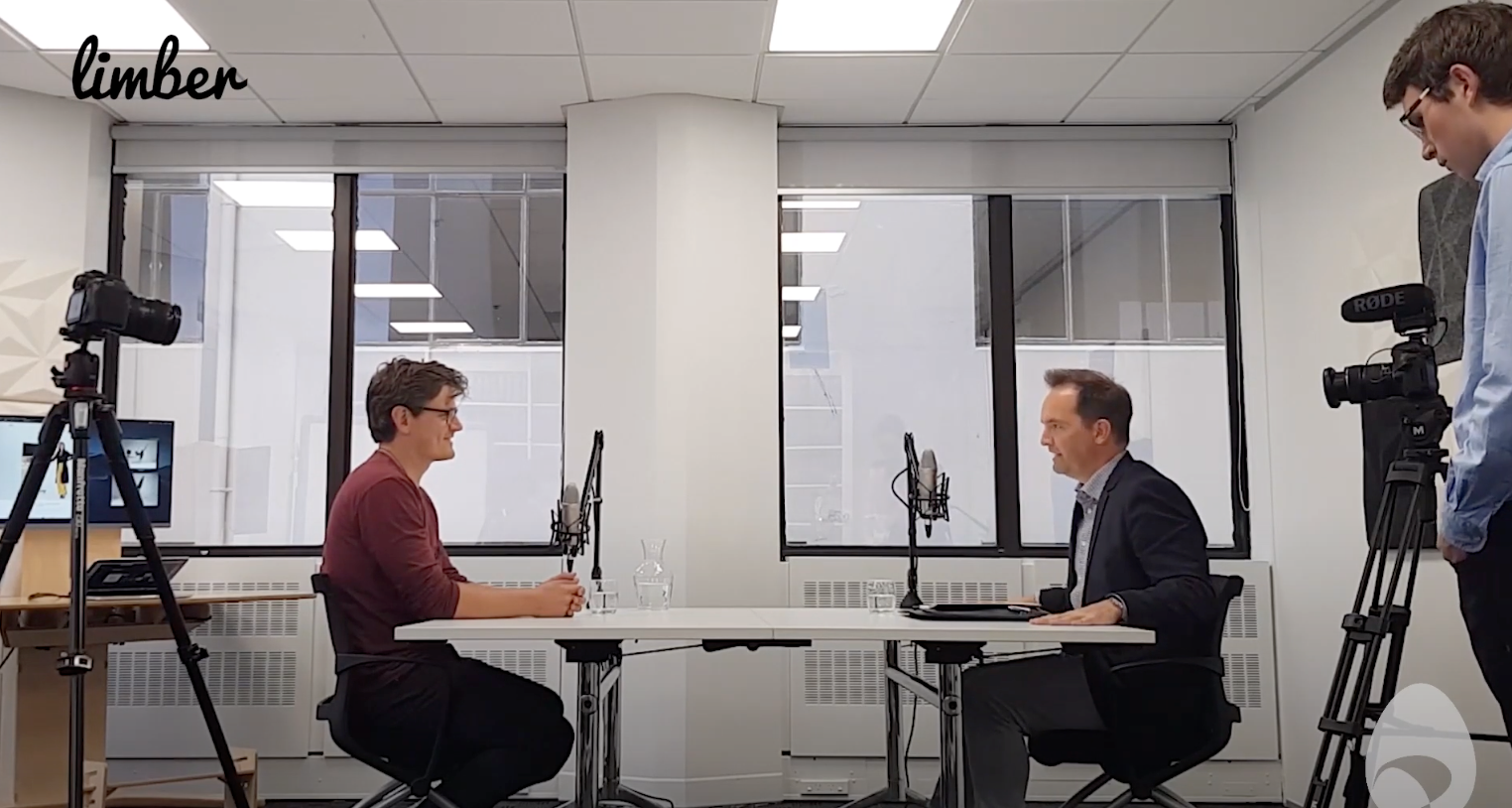
Meet the
Physio Behind Limber
Learn more about Limber
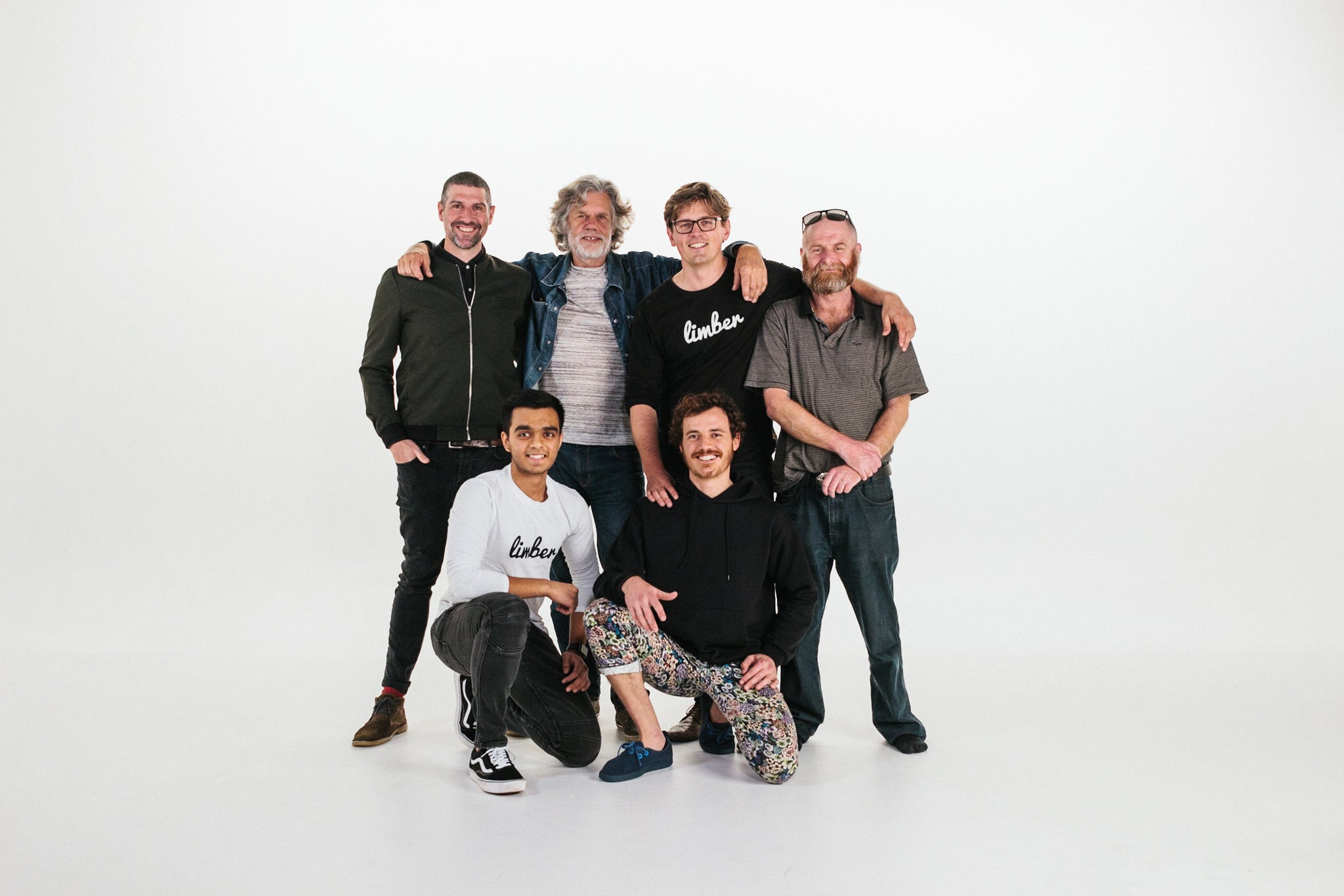

FOUNDER
Bart de Vries
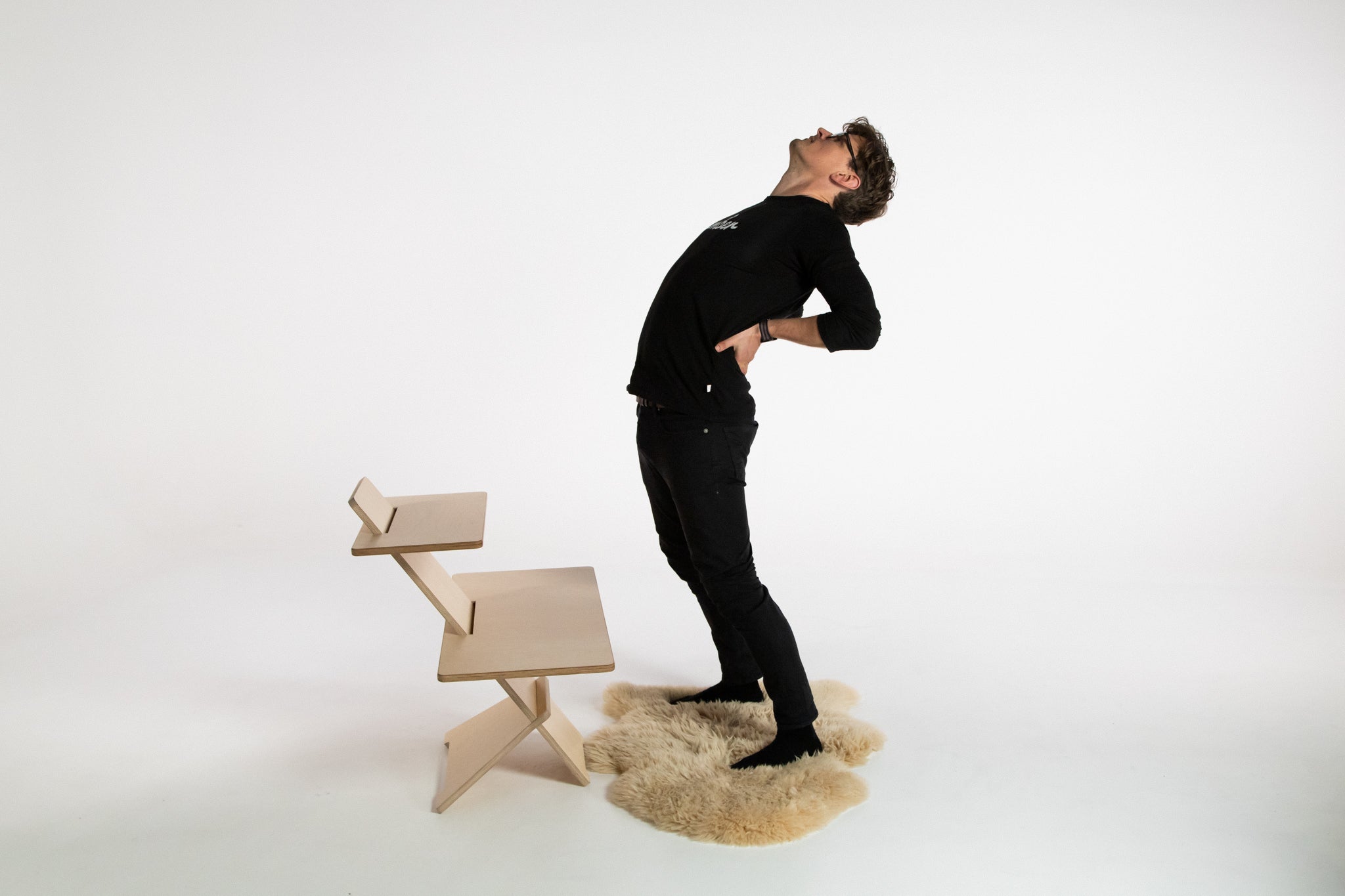
Bart de Vries is a Physiotherapist, Edmund Hillary Fellow, and the founder of Limber. Bart built his expertise in health, performance and behaviour change during his time as a professional hockey player, physio to professional athletes and those returning to work after injury or chronic back pain. He now practices at his physio clinic in Wellington, New Zealand.
Personal back pain from the age of 12 inspired Bart's journey into physiotherapy and continues to fuel his passion for finding ways to reduce back pain globally.